

The cost of convenience in European cities is rising — but not always in ways that are easy to see. Ordering food, taking a taxi instead of public transport, paying for subscriptions, living closer to the centre. None of these decisions feels particularly expensive on its own. That’s the point. But over time, they start to reshape the entire cost of living. What looks like small, everyday choices often becomes a structural part of monthly expenses — especially in large urban housing markets where time is scarce and services are everywhere.
And here’s the part most people miss.
Convenience doesn’t replace essential spending. It sits on top of it. Which means the real cost of living in European cities is no longer just about rent, utilities or groceries — but about how much people are willing to pay to save time.
Disclaimer
The information provided on Finorum is for educational and informational purposes only and does not constitute financial, investment, housing, or legal advice. While we aim to use reliable data sources and accurate analysis, economic conditions, housing markets, and living costs can vary significantly across countries and cities. Readers should conduct their own research and consider their personal financial circumstances before making housing, relocation, or financial decisions. Finorum does not promote or endorse specific financial products, housing providers, or investment strategies.
The Cost of Convenience in European Cities Is Rising Faster Than You Think
Convenience rarely shows up as a single, visible expense.
It’s scattered.
A delivery fee here, a takeaway meal there, a taxi instead of public transport, another monthly subscription that seemed negligible when it started. Each cost on its own feels manageable — almost trivial.
But together, they change the structure of everyday spending.
That’s the shift.
In many European cities, the cost of convenience is not replacing essential expenses like housing or groceries. It is layered on top of them. People still pay rent, utilities and food — but now increasingly pay extra to save time, reduce effort or gain flexibility.
Convenience spending is becoming a growing part of the cost of living in European cities.
Take a simple example.
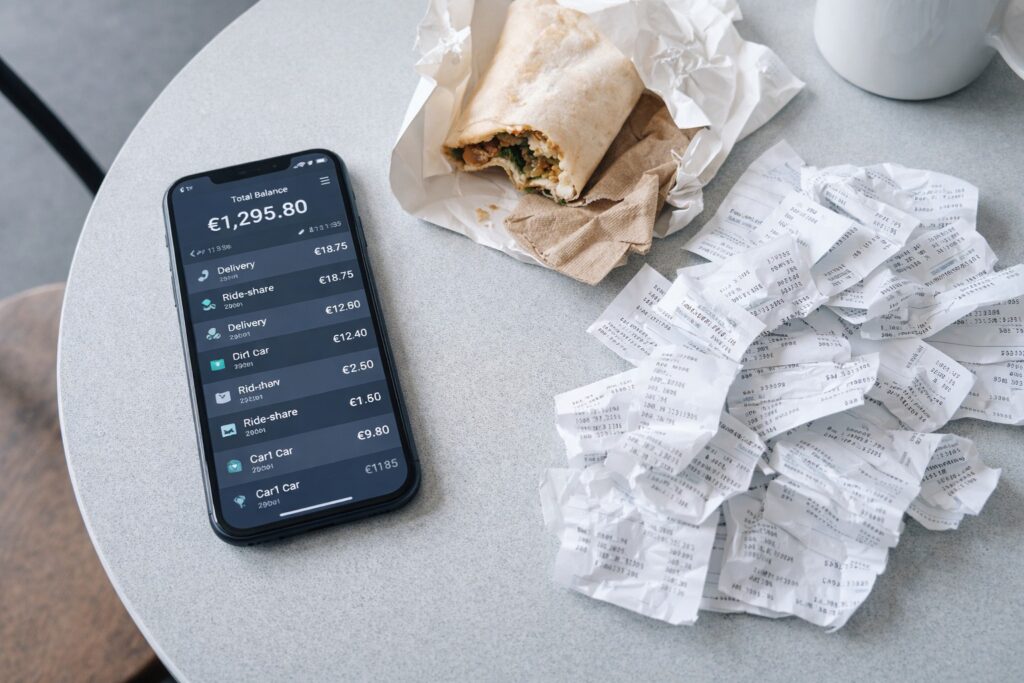
Luca in Milan cooks at home most of the week but orders food twice. Each order costs €18–€25 including delivery. Over a month, that adds up to roughly €150–€200 — without replacing grocery spending entirely.
Small decision. Real cost.
And this pattern has become increasingly common in many European cities.
As cities become denser and services more accessible, convenience becomes easier to buy — and harder to avoid. What used to be occasional spending is slowly turning into a routine part of the urban lifestyle.
That’s where the real cost begins to emerge.
What Convenience Really Means in European Cities
Convenience in modern European cities is not a single service. It is a collection of small, time-saving choices that shape how people live day to day.
Food delivery is one of the most visible examples.
Ordering a meal replaces shopping, cooking and part of the daily effort behind food preparation with just a few taps on a phone. The trade-off is simple: higher cost in exchange for saved time. Similar patterns can be seen in transport, where ride-hailing services and taxis offer flexibility but at a premium compared to public transport.
Subscriptions add another layer.
Streaming platforms, fitness apps, grocery delivery memberships and other digital services are often priced low enough to feel negligible. But combined, they create a steady flow of recurring expenses that can go largely unnoticed.
And then there is location.
Living closer to city centres reduces commuting time and increases access to services, restaurants and social life. But that convenience is built directly into housing costs, where central locations typically command higher rents.
Different categories. Same pattern.
Across urban Europe, convenience is increasingly embedded in everyday consumption. Convenience spending is becoming a structural part of the cost of living in European cities. It is no longer just an occasional upgrade — in many urban environments, it has become part of the baseline expectations of city life.
The Hidden Cost of Convenience in European Cities
The cost of convenience in European cities rarely appears as a single expense. It builds gradually, through multiple small decisions that feel insignificant on their own.
But together, they can reshape a monthly budget.
Food is one of the clearest examples.
According to Eurostat, households in the European Union spend roughly 16–17% of their total consumption on food and non-alcoholic beverages. This figure mainly reflects grocery spending, while restaurant and takeaway meals are recorded separately.
That difference matters.
Ordering food regularly can significantly increase monthly expenses compared to cooking at home. A single delivered meal can cost two or three times more than its home-cooked equivalent, especially once service fees and delivery charges are included.
Transport shows a similar pattern.
Public transport in most European cities remains relatively affordable and efficient. But occasional reliance on taxis or ride-hailing services — particularly during evenings or weekends — can quickly raise monthly spending. What feels like a convenience becomes a recurring cost.
Subscriptions add another layer of hidden spending.
Individually, digital services are often priced low enough to seem negligible. But multiple subscriptions — streaming, music, cloud storage, fitness apps — can easily add €50 to €100 per month in some cases, often without being actively tracked.
None of these expenses are unusual.
In fact, they are becoming a normal part of urban spending patterns.
The issue is how they combine.
Convenience spending does not replace essential costs such as rent, utilities or groceries. It sits on top of them. Over time, it can meaningfully increase the overall cost of living in European cities — particularly for individuals living alone, where there is no one to share these expenses.
When Convenience Becomes Structural Spending
Convenience spending does not usually feel like a financial decision.
It feels like a small upgrade.
A meal ordered instead of cooked. A taxi instead of a train. A subscription instead of a one-time purchase. Each choice is easy to justify on its own — often framed as saving time, reducing effort or improving quality of life.
The problem is not the individual decision.
It is the accumulation.
Over time, these small, repeated expenses become embedded in everyday life. What once felt occasional starts to feel normal. And what feels normal is rarely questioned.
This is how convenience becomes structural spending.
Unlike one-off purchases, convenience costs are recurring. They are often automated, frictionless and difficult to track in real time. Subscriptions renew quietly. Delivery services save payment details. Ride-hailing apps remove the need to think about price before booking.
The result is a shift in spending behaviour.
Instead of making deliberate financial decisions, many consumers begin to default to convenience. The mental barrier to spending becomes lower, while the total monthly cost becomes higher.
This effect is particularly visible in urban environments.
European cities increasingly operate around accessibility, speed and on-demand services. The easier it becomes to buy convenience, the more frequently it is used — and the less visible its cumulative cost becomes.
Over time, convenience spending becomes an increasingly important part of the cost of living in European cities.
For individuals living alone, the impact is even more pronounced.
Without shared costs or collective decision-making, there is no natural check on convenience spending. Every decision is individual. Every cost is absorbed by a single income.
Over time, this creates a subtle but important shift.
Convenience is no longer just a lifestyle choice. It becomes part of the everyday structure of spending — quietly increasing the real cost of living in European cities.
Conclusion
Convenience has become one of the defining features of modern city life in Europe.
It saves time. It reduces friction. It makes everyday routines easier and more flexible. In many ways, it reflects the advantages of living in a connected, service-driven urban environment.
But convenience is not free.
What makes it powerful is also what makes it difficult to notice. The costs are small, frequent and often invisible in isolation. A delivery here, a subscription there, a taxi instead of public transport. Individually, they feel manageable. Together, they can quietly reshape an entire monthly budget.
This is where the real cost of convenience in European cities begins to emerge.
Not as a single expense, but as a pattern.
Over time, convenience spending becomes embedded in daily life — not as an occasional upgrade, but as a default. And when that happens, it stops feeling like a choice and starts functioning like a regular cost.
For people living alone, the effect is even more visible.
Without shared expenses or built-in limits, convenience becomes easier to rely on and harder to track. The result is a higher, less transparent cost of living — one that is shaped as much by behaviour as by prices.
In the end, convenience is not just about saving time.
It is about how small decisions, repeated over time, redefine what it actually costs to live in a European city.
Key Takeaways
- Convenience spending is becoming a structural part of the cost of living in European cities
- Small, frequent expenses — such as delivery, transport and subscriptions — can significantly increase monthly budgets over time
- Many convenience costs are recurring and frictionless, making them harder to track than one-off purchases
- Food delivery and eating out can cost two to three times more than home cooking, especially when fees are included
- Ride-hailing and taxis offer flexibility, but at a consistent price premium over public transport
- Subscriptions may seem negligible individually, but can add €50–€100 per month in some cases
- Convenience spending does not replace essential costs — it sits on top of them and increases total consumption
- The impact is more pronounced for people living alone, who cannot share costs or decision-making
- Over time, convenience shifts from an occasional upgrade to a default spending behaviour
- The real cost of convenience in European cities is cumulative, behavioural and often underestimated
Methodology
This article combines household consumption data with behavioural insights to examine how convenience spending shapes the cost of living in European cities.
The analysis draws on Eurostat data on consumption structure to illustrate how spending on essential categories such as food compares to additional, convenience-driven expenses like delivery services, transport and subscriptions.
Rather than focusing on a single dataset, the article uses a layered approach — combining statistical benchmarks with real-world urban spending patterns to reflect how small, recurring expenses accumulate over time.
Examples of convenience spending (such as food delivery, ride-hailing and digital subscriptions) are used illustratively to demonstrate how these costs interact with everyday budgets. These examples do not represent exact household outcomes but reflect common patterns observed across major European cities.
Because consumption habits vary significantly between individuals, cities and income levels, the figures and examples presented should be interpreted as indicative of broader trends rather than precise financial outcomes.
Sources
Primary data sources used in this analysis:
Eurostat
Structure of consumption expenditure by purpose (COICOP) – hbs_str_t211
Household consumption by purpose – Eurostat Statistics Explained
Macroeconomic consumption data – MNA dataset
Data accessed: March 2026
The analysis combines long-term consumption structure data with current urban spending trends to illustrate how convenience-related expenses are becoming an increasingly important component of the cost of living in European cities.
FAQ – Real Cost of Convenience in European Cities
What is convenience spending in European cities?
Convenience spending refers to everyday expenses that save time or effort, such as food delivery, ride-hailing, subscriptions and on-demand services. In European cities, it has become an increasingly important part of the cost of living.
Why is convenience expensive in European cities?
Convenience services often come at a premium because they replace time and effort with paid services. Delivery fees, higher menu prices, subscription costs and transport premiums all add to the overall cost of convenience in European cities.
How does convenience spending affect the cost of living?
Convenience spending does not replace essential expenses like rent or groceries — it adds to them. Over time, small recurring costs can significantly increase the total cost of living, especially in urban environments.
Is convenience spending higher for people living alone?
Yes. People living alone typically bear the full cost of convenience services without sharing expenses. This makes convenience spending more impactful on their monthly budget compared to shared households.
How much do subscriptions add to monthly expenses?
Subscriptions can seem small individually, but combined they can add €50–€100 per month in some cases. This includes streaming services, apps, cloud storage and other recurring digital expenses.
Is food delivery more expensive than cooking at home?
In many cases, yes. Food delivery can cost two or three times more than cooking at home, especially when service fees and delivery charges are included.
Why do small expenses add up so quickly?
Small expenses are often frequent, automated and easy to ignore. Because they are spread across multiple categories, they can accumulate without being immediately visible, increasing overall spending over time.
Is convenience becoming a standard part of urban life?
In many European cities, convenience is no longer occasional. It has become part of everyday consumption patterns, driven by digital platforms, accessibility and changing urban lifestyles.
How can you reduce convenience spending?
Tracking recurring expenses, reviewing subscriptions and limiting high-cost services like delivery or ride-hailing can help reduce convenience spending. Awareness is often the first step.
What is the real cost of convenience in European cities?
The real cost of convenience is cumulative. It is not defined by a single expense, but by the total impact of many small, recurring costs that increase the overall cost of living in European cities.
Iva Buće is a Master of Economics specializing in digital marketing and logistics. She combines analytical thinking with creativity to make financial and investment topics accessible to a broader audience. At Finorum, she focuses on translating complex economic concepts into clear, practical insights for everyday readers and investors.